Lead story
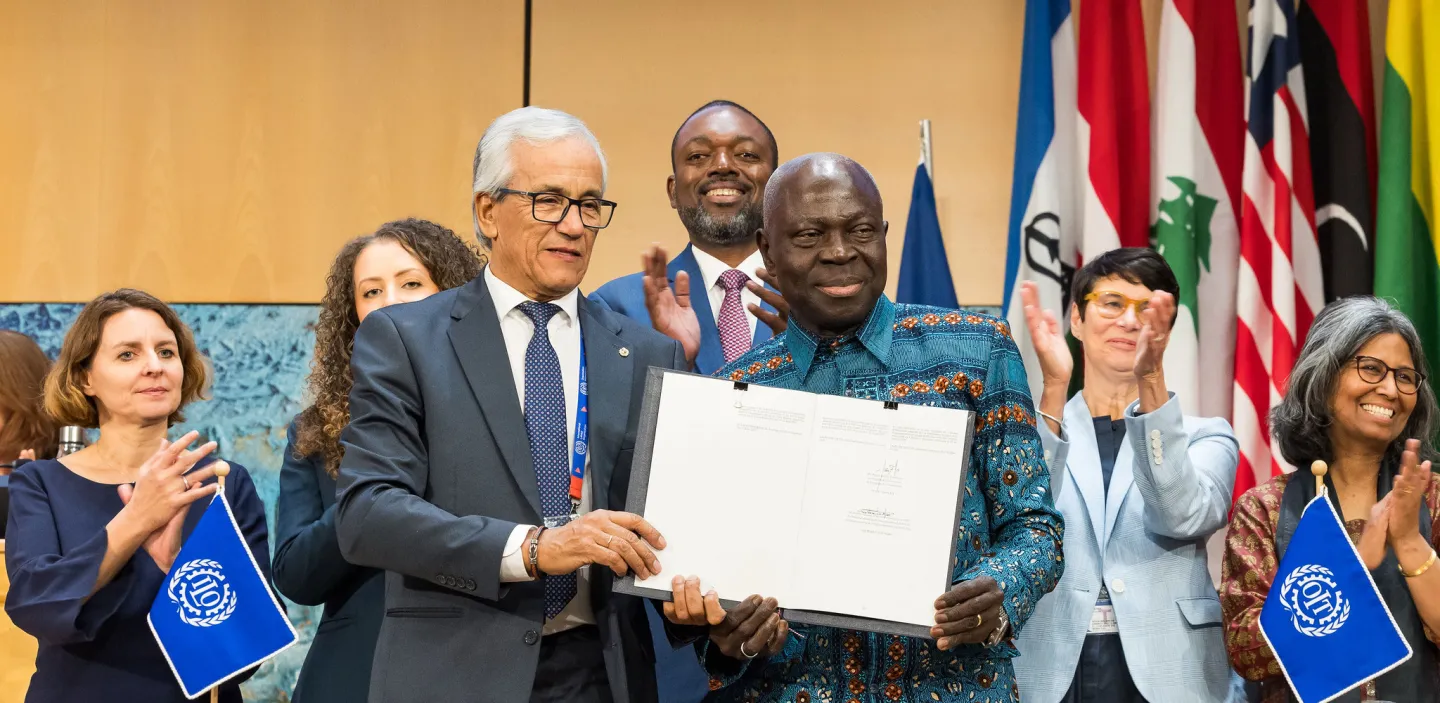
Towards international protection for platform workers
On 12 June in Geneva, the Member States of the International Labour Organization (ILO) adopted ILO Convention No. 193 concerning Decent Work in the Platform Economy. The scope of this convention is very broad: it targets algorithmic management, all digital platforms “regardless of whether that work is performed online or in a specific geographical location” and all platform workers, “regardless of their classification of status in employment.”
The convention’s approach is that protection must be based on the reality of the work, and not on the contractual labels platforms cleverly use to remove workers from the protective frameworks in place for employees. It promotes compliance with fundamental rights such as freedom of association or the right to work in “a safe and healthy working environment” (Article 3). Members are required to protect workers from “occupational accidents, occupational diseases and any other injuries to […] health arising out of, linked with or occurring in the course of their work” (Article 4). Workers have “the right to remove themselves from a work situation which they have reasonable justification to believe presents an imminent and serious danger to their life or health, without suffering undue consequences” (Article 5). They must also be protected against violence and harassment, “including violence and harassment perpetrated online or involving third parties such as clients and customers” (Article 6). Member States are required to “ensure the correct classification of digital platform workers […] guided mainly by the facts relating to the performance of work, the remuneration or payment of the digital platform worker […]” (Article 9). Regardless of their status, their remuneration must be “paid in a timely manner, in full […] and by lawful means of payment…” (Article 10). They are also guaranteed access to social security (Article 12).
Several articles govern the use of algorithms: platforms are required to inform workers, before their employment or engagement, and their representatives about the use of automated systems to monitor or evaluate work, or generate decisions relating to work, or the extent to which the use of such automated systems has an impact on the working conditions of digital platform workers or their access to work (Article 13). Where decisions are generated by an automated decision-making system, workers must have “access, on request, and without unreasonable delay […] to a written explanation of significant decisions that adversely impact their working arrangements and access to work. What is more, Member States must ensure workers have access to a review of decisions” affecting their remuneration, their account (suspension, deactivation) or resulting in the termination of their employment or engagement (Article 15). The introduction of measures designed to prevent abuses of migrant workers and refugees and to ensure they receive adequate protection (Article 20) is also worth noting.
Born out of the need to strike a compromise between countries with very diverse economic profiles, the text is robust and contains significant, specific, and binding obligations for the Member States opting to ratify it. One can only hope that the EU Member States now ratify the convention on a large scale.

 Initiatives
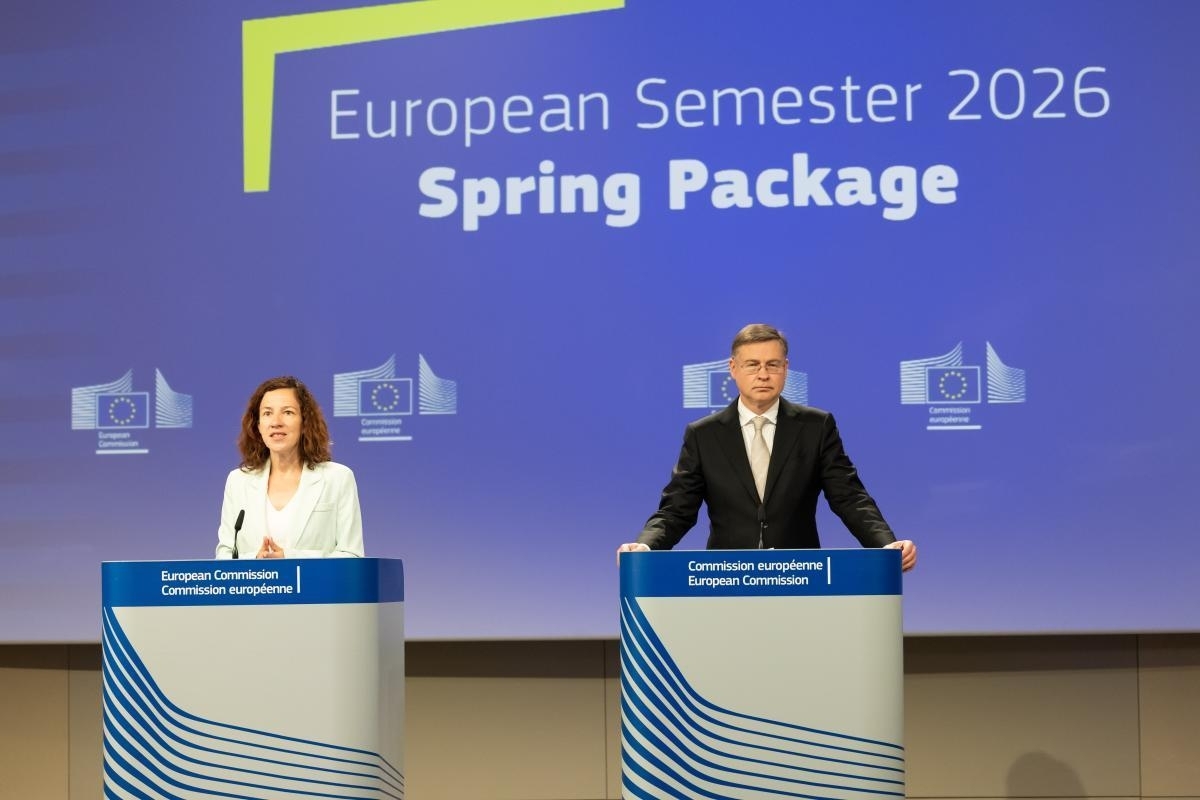
The European Commission unveils new employment policy guidelines: on 3 June, the Commission presented its ‘spring package’ designed to aid better coordination of economic and employment policies. The documents published (see press release) include a communication defining the framework, country reports analysing the economic and social situation of each Member State, recommendations for each Member State, and revised guidelines for employment policies. The country reports address social dialogue, collective bargaining coverage, unionisation rates and employer representation, as well as social partners’ involvement in policy-making. They also cover the measures taken in response to the 2023 recommendation on strengthening social dialogue in the European Union. At the same time, guideline no. 7 focuses on social dialogue as a means to improve the labour market and underscores the importance of creating quality jobs. The guidelines call on countries to promote broader collective bargaining coverage, notably by bolstering the capacities of the social partners, and to allow effective collective bargaining at all relevant levels.
(Picture: Aurore Martignoni – Copyright European Union, 2026)
Social update
A call to fight labour exploitation: in its annual report, the European Union Agency for Fundamental Rights (FRA) devotes a section to labour exploitation, which predominantly affects workers from third countries. For instance, 24% of displaced women from Ukraine who have been in gainful employment since arriving in the EU reported being underpaid or not paid at all. What is more, if they are exploited, “few migrant workers, irrespective of nationality, file complaints”. “Even fewer recover the wages owed to them” and “in some Member States, remedial mechanisms are very difficult to use in practice”. The report calls in particular for action against abusive recruitment agencies.
Case law
Refusal to transfer place of work: the Court of Justice of the European Union has delivered a judgment in an Italian case concerning employees who had refused to be transferred to a new place of work (CJEU, 4 June 2026, Case C-907/24, Egenergy v MZ and others). The employer, which employed over fifteen staff, decided to cease operations at its production site in Campania and to transfer them to a site in Sardinia, 600 kilometres away. Upon seeing that the employees had not reported for work at their new site, the employer terminated their employment contracts on the grounds of unauthorised absence. The sacked employees challenged the termination of their employment contracts, arguing in particular that the employer should have followed the procedure applicable to collective redundancies given that it employed more than 15 staff. The question referred to the Court of Justice was whether the termination of an employment contract resulting from an employee’s refusal to comply with a unilateral decision to transfer their place of work constitutes a ‘redundancy’ as defined under Article 1(1) Directive 98/59 on collective redundancies, thereby triggering the obligations to inform and consult workers’ representatives. The Court’s answer is that it does: the termination of an employment contract for one or more reasons not related to the individual worker concerned, effected by the employer following the worker’s refusal to comply with the employer’s unilateral decision to transfer the place of work to a site away from the original site, comes under the concept of ‘redundancies’. Consequently, if the number of terminations reaches the thresholds set out in the Directive, the employer is required to follow the collective redundancy procedure, including the obligation to inform and consult workers’ representatives ahead of time.
Across Europe

 Austria
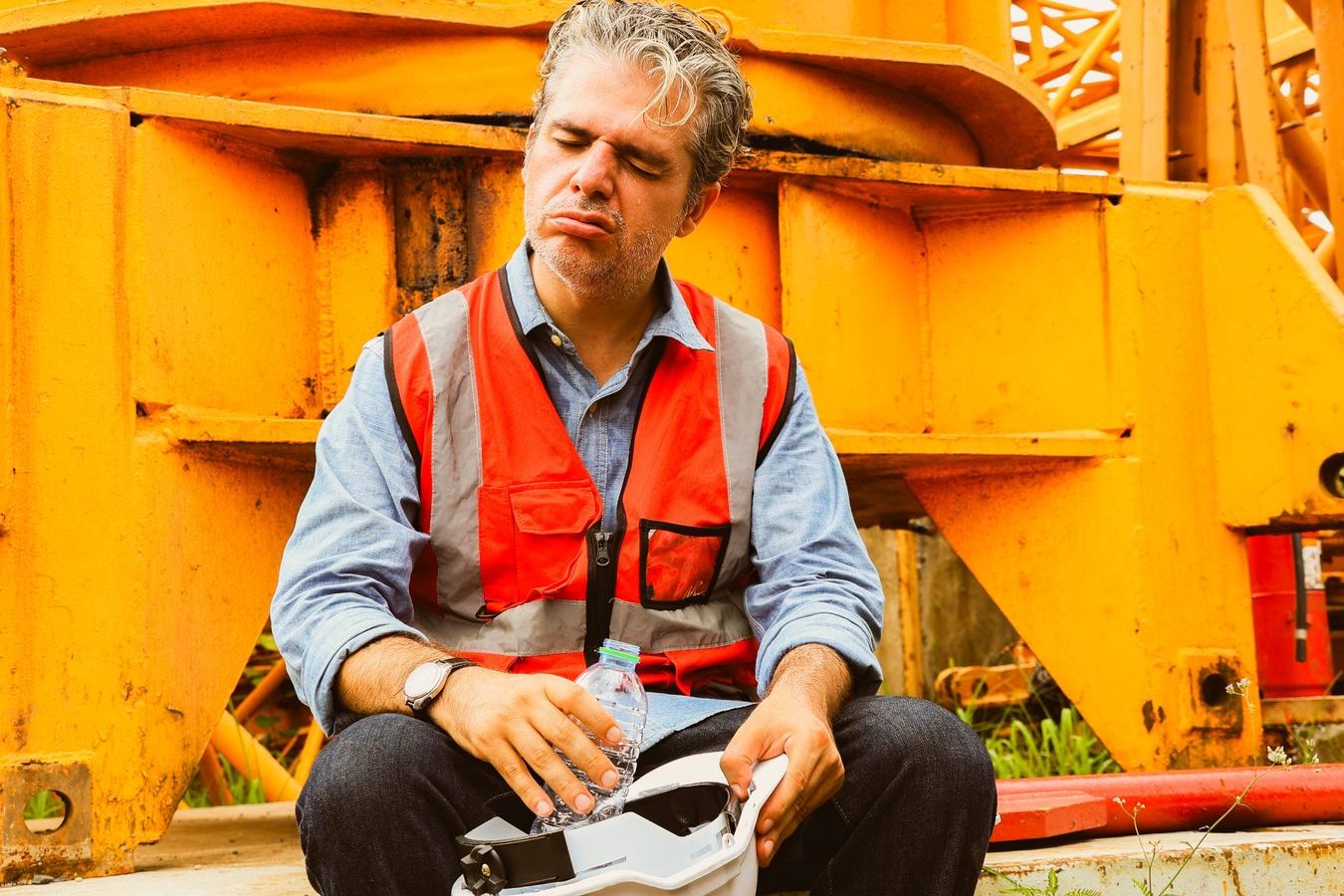
Calls for stricter regulations governing heat exposure: The Chamber of Labour (AK), which represents the interests of all employees, has called for amendments to the Heat Protection Ordinance (see ordinance). The ordinance, which entered into force in January, stipulates the dangers and hazards employers have to take into account when employees are performing outdoor work which entails exposure to heat and UV radiation (see press release). Employers are required to define a programme of protective measures accessible to all workers (see national plan). The labour inspectorate also has the right to check these protective measures are in place as soon as a warning is issued by the national meteorological service (GeoSphere) once temperatures exceed 30 degrees. A study at the Medical University of Vienna commissioned by the AK highlights that temperature is not the only factor that needs to be taken into account: radiation, the level of physical exertion, clothing and humidity also play an important role. The AK is therefore calling on the government to tighten the regulations (see press release) by:
- specifying the criteria for introducing ‘heat leave’;
- extending the regulations to cover indoor spaces;
- adding other scientific indicators besides just ‘degrees’ to evaluate heat-related risks;
- stepping up skin cancer prevention measures.
 Luxembourg
A ‘tripartite’ agreement to contain the energy crisis: on 8 June, after multiple meetings, the government and the social partners signed a tripartite agreement to combat soaring energy prices. Dubbed ‘Resilienzpak 2026’, it has three pillars: boosting purchasing power and curbing inflation, safeguarding jobs and the economy, and promoting the energy transition. In a joint press release, the trade union confederations OGBL and LCGB welcomed the progress made and the government’s commitment to reviving the Luxembourg social model, commending the co-development of measures with the social partners.
 Germany
A government report on climate change’s impact on work: The Ministry of Labour and Social Affairs has published its final report on the challenges climate change poses for occupational health and safety (see press release). This report is the product of two years’ work by a policy lab comprising 280 experts, who have also created a guide to help businesses develop plans to combat extreme heat (see protection plan). The report flags the economic and productivity losses linked to heat, putting their estimated cost at over 431 million euros per day (see press release).
 France
A plan to improve occupational health: On 5 June, the Ministry of Labour presented the Occupational Health Plan 2026–2030, which now includes the previously separate Plan for the Prevention of Serious and Fatal Work-Related Accidents (PATGM). After the review of the previous 2021–2025 plan found the results to be insufficient, the government is now opting to mobilise businesses and carry out primary risk assessments. The priorities announced in this new plan are preventing serious and fatal accidents, women’s health at work, emerging issues, especially climate change-related risks, preventing absenteeism and psychosocial risks, and promoting mental health.
 Italie
Metalworking industry’s collective agreement renewed: On 4 June, the social partners in the metalworking industry renewed their national collective agreement (CCNL). The agreement covers more than 42,000 micro-enterprises and SMEs and more than 450,000 employees in the metalworking industry. It sets forth pay rises designed to maintain purchasing power in the face of inflation, as well as a safeguard clause, should prices rise unexpectedly. In addition to the issue of pay, the agreement bolsters provisions relating to occupational health and safety, training, inclusion, and work-life balance (see Fiom CGIL press release). Trade unions and employers’ associations alike have welcomed its balanced approach, reconciling worker protection and SME competitiveness.
 Netherlands
Women’s health at work recognised in the cleaning sector: on 19 May, the social partners agreed on a proposal revising the collective labour agreement for the cleaning sector entailing advances in the area of women’s health. The proposed text, which the relevant members of the FNV trade union confederation are currently rejecting, is supposed to come into force on 1 July 2026 for a term of two years (see press release). The FNV nevertheless welcomes the inclusion of provisions regarding menstruation and the menopause in this agreement, which covers an industry where women form the majority. The text sets forth the recognition of complaints and symptoms linked to menstruation and the menopause, their impact on the employees concerned, and specific measures and adjustments to improve working conditions and adapt workplaces (see press release).
Company updates

 Social responsibility
A Human Rights Charter for the first time at LVMH: at the end of May, the French luxury group LVMH unveiled its Human Rights Charter and appointed Julie Vallat as Vice-President for Human Rights, a role she previously held at L’Oréal. The text was drafted internally, without any visible involvement of employee representatives, although these are listed in the charter as one of the ‘stakeholders’, alongside suppliers, local communities and NGOs. The charter applies to the group’s employees and stakeholders throughout the value chain, in all the countries where the group’s 75 ‘Maisons’ operate. The group underscores that ‘respect for human rights is both an ethical imperative and a condition for the sustainability’ of its operations. The text specifies a number of fundamental rights — freedom of conscience, expression, association, and collective bargaining, combatting all forms of harassment, and the right to a healthy environment — and sets forth regular monitoring by the Sustainability and Governance Committee of the LVMH Board of Directors, as well as audits, training initiatives and a dialogue with the stakeholders.
European Works Councils
Safran presents a plan on women’s health at work: at the plenary meeting of Safran’s European Works Council on 25 March, employee representatives took note of the Women’s Health and Wellbeing Plan presented by the group’s management. Its stated aim is combatting absenteeism, said to be 1.5 times higher among women than men working at the group, and further increasing the proportion of women in the workforce by focusing on retention (keeping women employees at the company) and attractiveness. The plan, which will be implemented later this year, includes the provision of 12 additional days of remote working per year for women suffering from endometriosis or polycystic ovary syndrome, and for women with menopause-related conditions. Corinne Schievene, secretary of the European Works Council, stated that the European Works Council regretted that employee representatives had not been involved in developing the plan and suggested conducting an anonymous survey amongst women, publishing a prevention guide for employees who are victims of domestic violence (both men and women), and negotiating a European agreement. The management stated that a guide of this kind was being prepared and that European negotiations were a possibility.
Reports and data

 The social dialogue on AI
The European Trade Union Institute (ETUI) has published a technical brief examining the emergence of AI as an object of social dialogue in France. The brief presents an overview of the legal framework and an analysis of sectoral and company collective agreements with the aim of identifying innovative practices that could serve as inspiration for negotiators in other Member States. The brief underscores that “the effective exercise of the rights to information and consultation remains difficult”, especially during exploratory phases, “worker representatives often lack early access to AI projects at a sufficiently early stage, timely information and the expertise required to analyse technical documents.” What is more, “the traditional structure of social dialogue in France is based on discrete consultation events, which is poorly suited to the dynamic and evolving nature of AI systems”. However, this study highlights “a handful of organisations” that have adopted “iterative and lifecycle-based approaches; these appear promising but they are evident outliers”.
Key statistic
6%
This was the unemployment rate in the European Union in 2025, slightly higher than in 2024.
According to the latest Eurostat data published on 10 June, the unemployment rate in the EU in 2025 reached 6% for the working-age population aged 15 to 74, slightly higher than the 5.9% recorded in 2024. Spain had the highest unemployment rate, at 10.5%, followed by Finland (9.7%) and Greece (8.9%). The lowest rates were recorded in the Czech Republic (2.8%), Poland and Malta (3.1% each).

Three questions for…

On the delays in transposing the ‘pay transparency’ directive
“We are calling for the application of the directive to be suspended while we assess what can be simplified – not to reduce rights, but to make application easier.”
What is your analysis of the delay in transposing the Pay Transparency Directive, which was supposed to be transposed by 7 June?
The fact that only four Member States have transposed the directive so far, despite having had a three-year transposition period, shows the difficulties this legislation poses for businesses. Employers’ associations stand accused of wanting the directive to be revised just after it has been adopted. That is not true. We tried to sound the alarm throughout the entire legislative process. We explained all the difficulties this legislation would pose at national level, especially in countries where the directive directly impacts their pay transparency systems. This is why many countries are now behind or, like Sweden, are refusing to transpose the directive. A transposition problem like this is unprecedented in the last thirty years. From day one, employers have been calling for existing pay transparency mechanisms to be factored in. We were not heard. We also called for a larger role for the social partners in applying the directive with a principle of presumption of compliance for collective agreements. Here, too, no one listened to us!
Are employers reluctant to forge ahead on pay transparency?
It’s easy to accuse employers of refusing to work towards narrowing pay gaps. This accusation is wrong. Not a single business is calling into question the principle of equal pay for men and women. And employers are willing to comply with the legislation. But the aim of transparency must not overshadow the aim of equality. And for us, that’s the problem. The time employers will spend on this reporting is time they will not be devoting to putting in place real measures to combat pay inequalities. That is why Member States are behind. Sweden is not a ‘low-bidder’ when it comes to pay equality. And yet, it has problems with the transposition of the directive. It is true that we have been lobbying at every level, but if Member States are lagging behind, it is not just to please employers!
What do you think is the solution?
For us what matters is achieving the aims of the directives – whichever ones they may be, but this one in particular. If that has to be by means of transparency, that’s ok, but let’s not forget that the ultimate aim is transparency in the service of equality. It’s not transparency as an end in itself. We need to strike a balance between the aim and the means. If to reduce pay gaps every business is required to report on this issue daily, I’m not sure that’s the right tool. We mustn’t forget all the public policies that also need to be activated to achieve gender equality. We are calling for the application of the directive to be suspended while we assess what can be simplified – not to reduce rights, but to make application easier. The European Commission has a legitimate political aim, but should it dig its heels in on this position at the risk of the directive being poorly applied and not achieving its aim?
(*) European employers’ association representing the interests of the metalworking, engineering and technology sectors.
Editorial

Dear readers,
You are now reading the second edition of IR Notes in its new format. As you know, you will now receive a more concise newsletter, which directs you to the IR Share website to read the full edition. We hope this new format will make for a more enjoyable reading experience.
The next step will be to make the full archive available to you, which will be gradually restricted to subscribers. We will therefore be contacting you in the next few weeks to provide you with your usernames and passwords. We have also migrated to a more powerful server, allowing you to download more files at once and improving the platform’s overall processing speed and performance. The new server is also able to handle AI-based bots, which are now a major source of traffic. We will keep you posted on developments as they happen!
IR Dictionary
Paid leave
In its judgment of 26 June 2001 the Court of Justice of the European Union noted that paid leave constitutes a “particularly important principle of Community social law” (CJEU, C-173/99, BECTU). This principle concerns the entitlement to at least four weeks’ paid annual leave granted to all European workers by Article 7 of Directive 2003/88 of 4 November 2003. The text also stipulates that this minimum period of paid leave may not be replaced by an allowance in lieu unless the employment relationship ends, in which case the employee is compensated for the paid leave accrued at the time of their departure by means of an allowance. The Court of Justice interprets this latter rule strictly, as the use of the allowance in lieu must remain an exception. Indeed, the legal basis for this directive is the protection of health and safety at the workplace, which has led the Court to establish significant case law on the subject to ensure that workers do in fact take these four weeks’ leave.
Upcoming Events
18 and 19 June
Barcelona
Charter of Fundamental Rights
Training course organised by the Academy of European Law (ERA), entitled “The EU Charter in Legal Practice“.
22 to 26 June
Trier (Germany)
European labour law
23 and 24 June
Brussels
European Works Council
Via a combination of plenary sessions and themed workshops, the annual conference organised by the European Workers’ Participation Competence Centre (EWPCC) and the European Trade Union Institute (ETUI), entitled “Making the most of the transposition of the European Works Councils Directive” will offer an in-depth presentation of the new European Works Councils directive.
25 June
Brussels
Working in the heat
Joint conference with ETUI and three European trade union federations (EFFAT, EPSU, EFBWW) on “Protecting workers against occupational heat: impacts and solutions”.
29 June
Luxembourg
Employment and Social Affairs Council
1 July
Brussels
Public procurement contracts
The European Commission is due to adopt a legislative proposal on European public procurement contracts
22 July
Brussels
European Pillar of Social Rights:
The European Commission is due to adopt the new action plan on the European Pillar of Social Rights (see agenda).
16 to 18 September
Oslo
Inequality in the labour market
Conference organised jointly by IWPLMS and IREC: How can trends towards inequality in the labour market be counteracted and what role can actors and institutions play?
The team
This edition has been prepared by Inès Bollet, Victoria Fonseca, Sea Ange Gonebo, Ambre Grenier-Boley, Frédéric Turlan, Iris Turlan and Paula Villalobos. You can read about everyone in the IR Share team on our website.
To find out more about the IR Share team, please consult our website, LinkedIn or IR Notes.
www.irshare.eu
Publisher: IR Share SARL - 5, Les Compères - 89520 Fontenoy - France
Share capital: 1500 euros
Business registration: RCS (Auxerre): 512 567 959.
Publication Director: Frédéric Turlan
Tel.:+33 (0)6 81 41 53 95
Hosting: OVH - 2 rue Kellermann - 59100 Roubaix
CPPAP no.: 0626 Z 93933.
> The IR Notes newsletter is recognised as an “online press service” under Article 1 of Law no. 86-897 of 1 August 1986. In addition to the quality of IR Notes being recognised, “online press service” status allows us to charge a lower rate of VAT (2.1%) on subscriptions to IR Notes.


EU social developments